Designing with Native & Water-Wise Plants in Northern California
If you’re looking to create a landscape that feels authentic, resilient, and deeply connected to place, the plant palette matters just as much as the design.
In the Sierra Foothills and greater Northern California region, we’re fortunate to have access to an incredible range of native and climate-adapted plants that thrive with less water, support local ecosystems, and create timeless outdoor spaces.
Below, we explore a curated selection of trees, shrubs, and perennials that form the backbone of a sustainable and beautiful landscape.
Native Trees That Define the Landscape
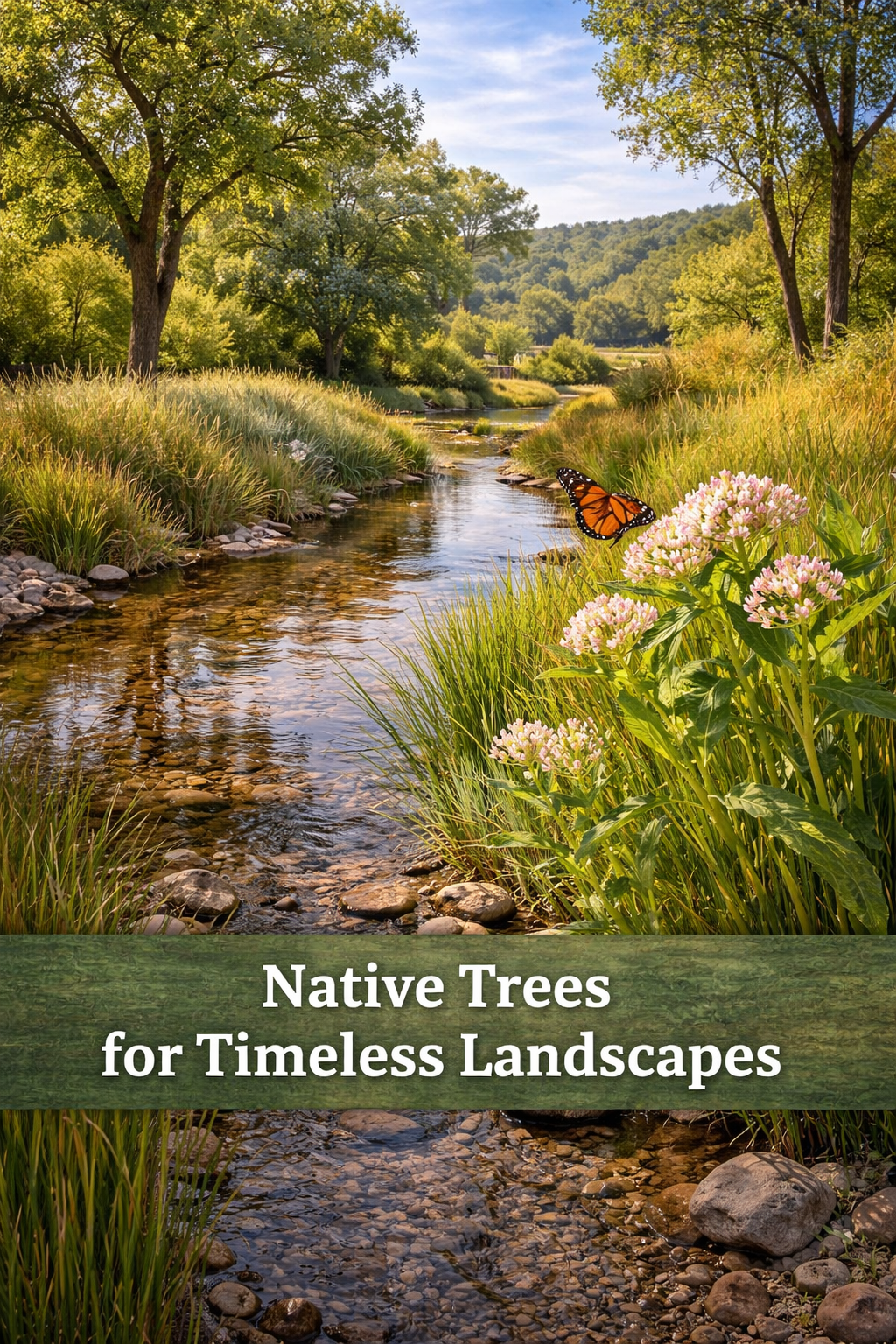
The trees you choose set the tone for your entire outdoor space. These species are not only iconic to California—they’re built to thrive here.
Some standout options include:
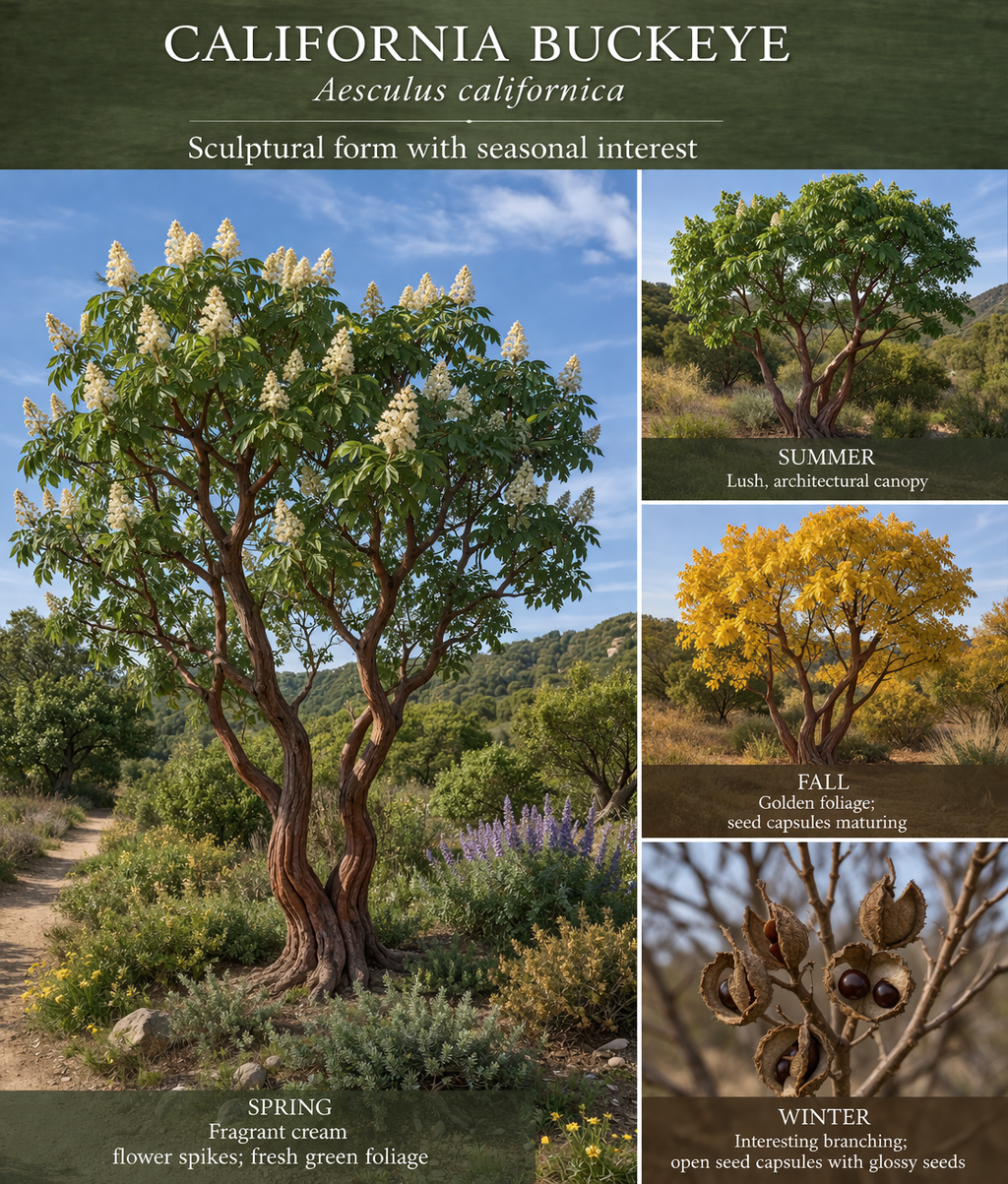
California Buckeye (Aesculus californica) – Sculptural form with seasonal interest
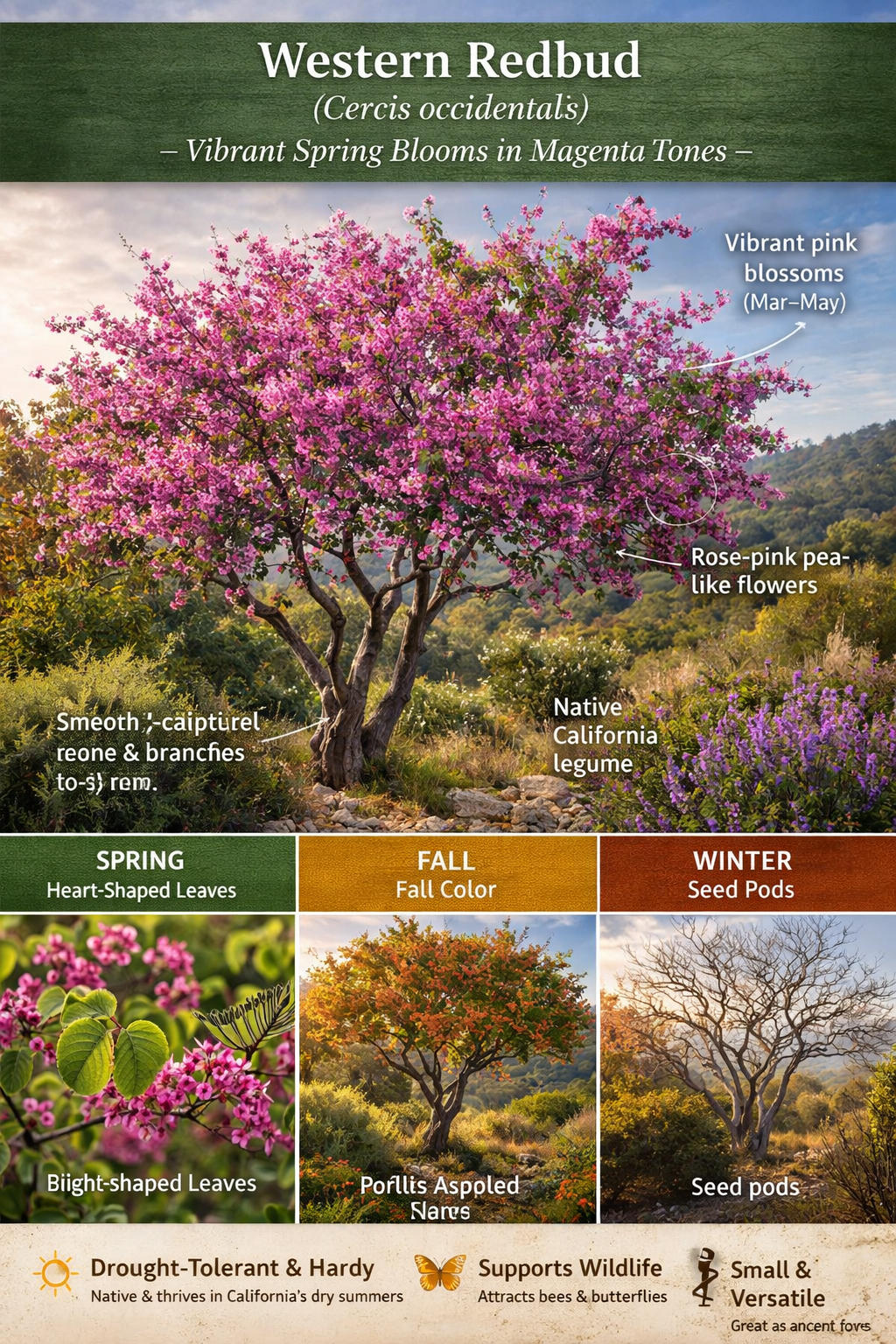
Western Redbud (Cercis occidentalis) – Vibrant spring blooms in magenta tones
Coast Live Oak (Quercus agrifolia) – A timeless anchor tree with deep roots in California identity
Valley Oak (Quercus lobata) – Expansive canopy for large properties
California Sycamore (Platanus racemosa) – Striking bark and bold presence
Giant Sequoia (Sequoiadendron) – Monumental, long-living, and awe-inspiring
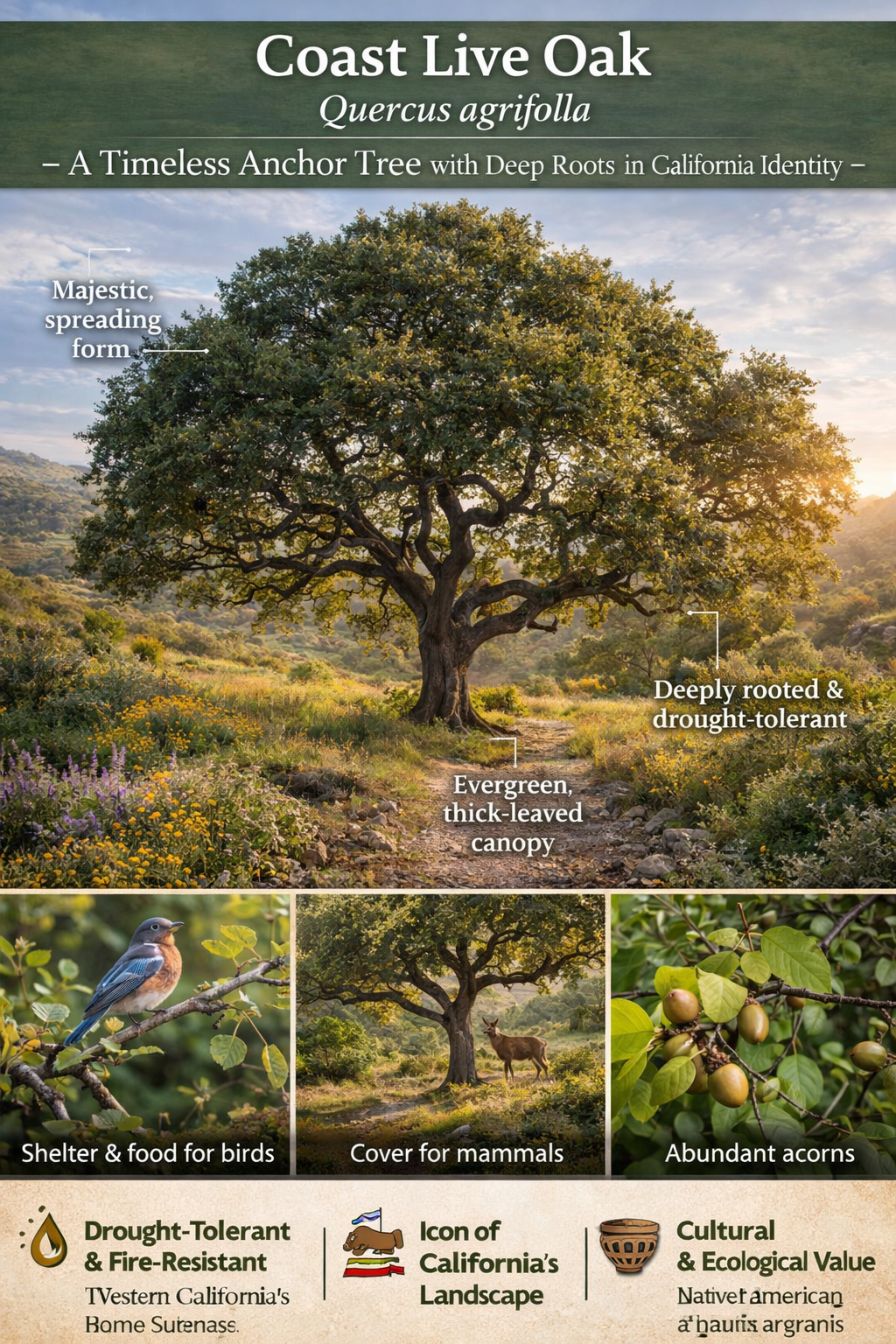
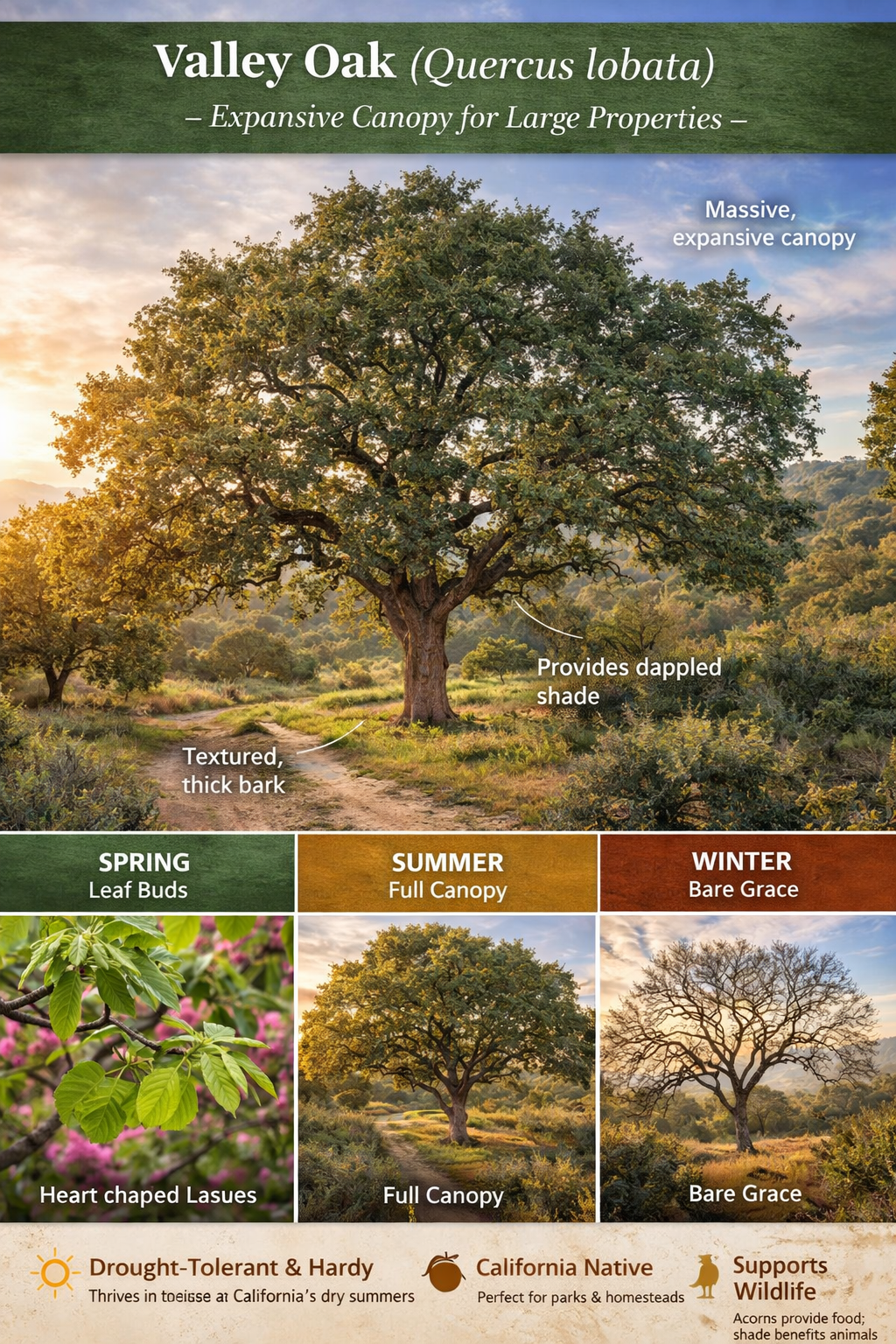
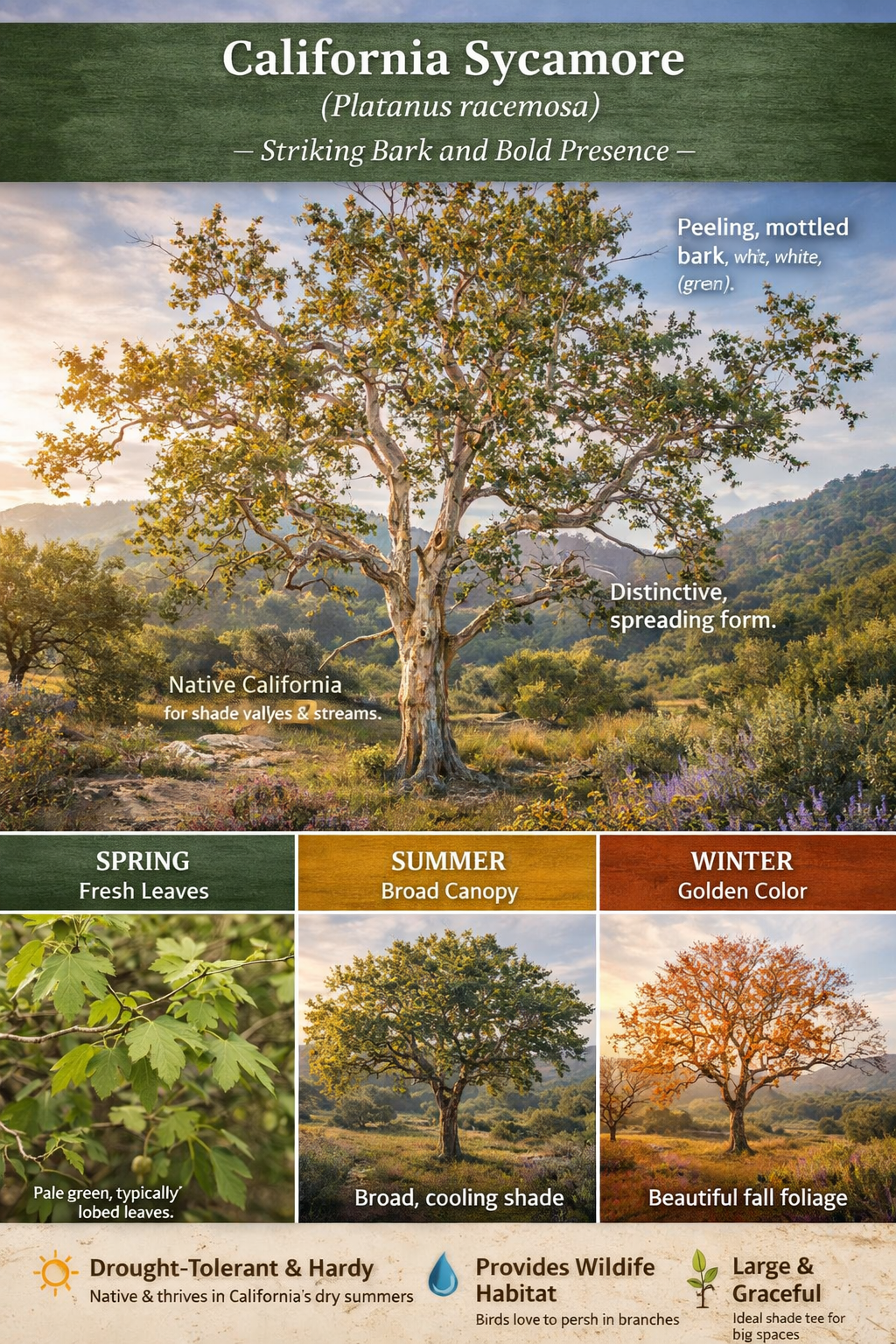
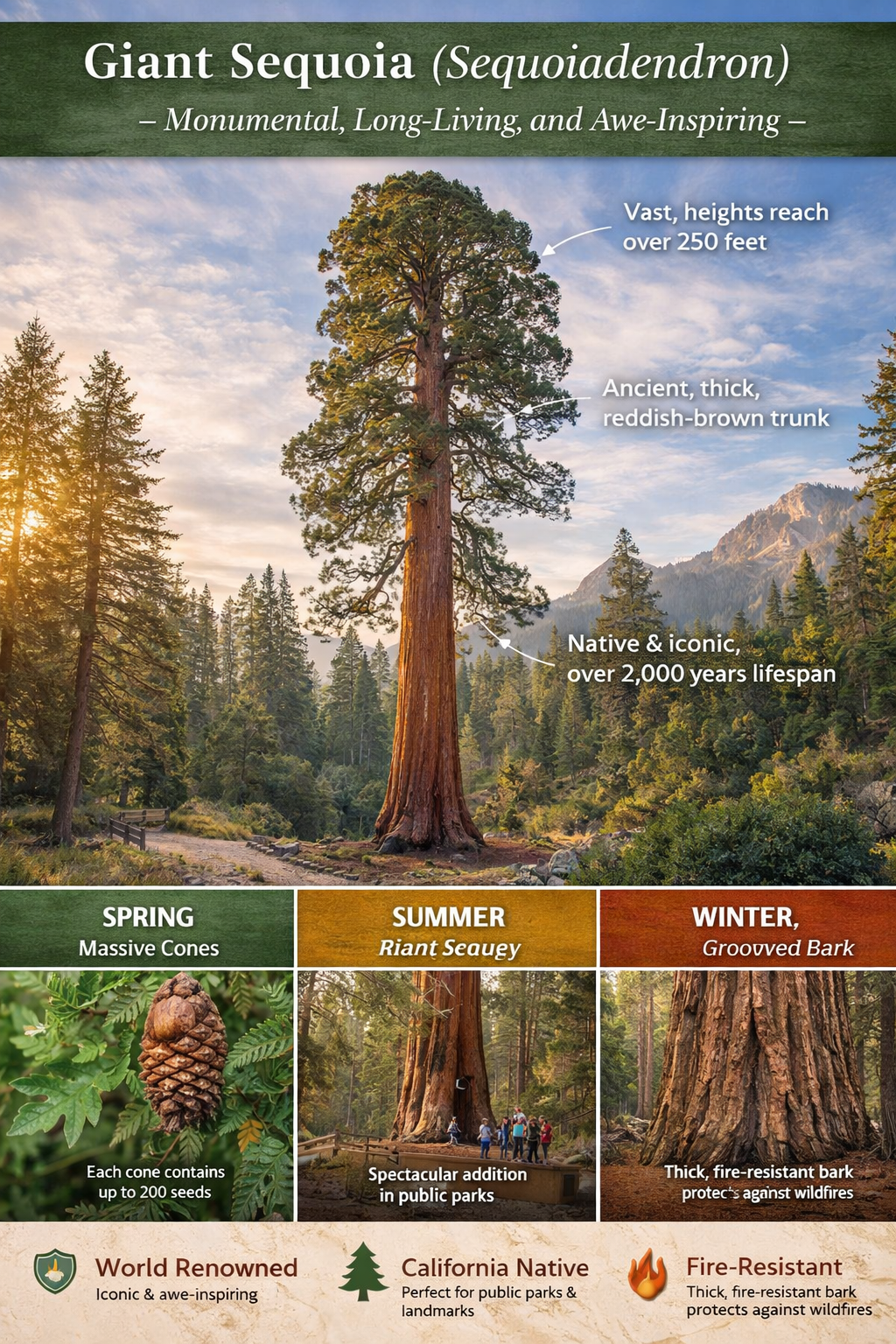
These trees provide shade, habitat, and structure—while requiring far less intervention than non-native species.
Shrubs & Groundcovers for Texture and Color
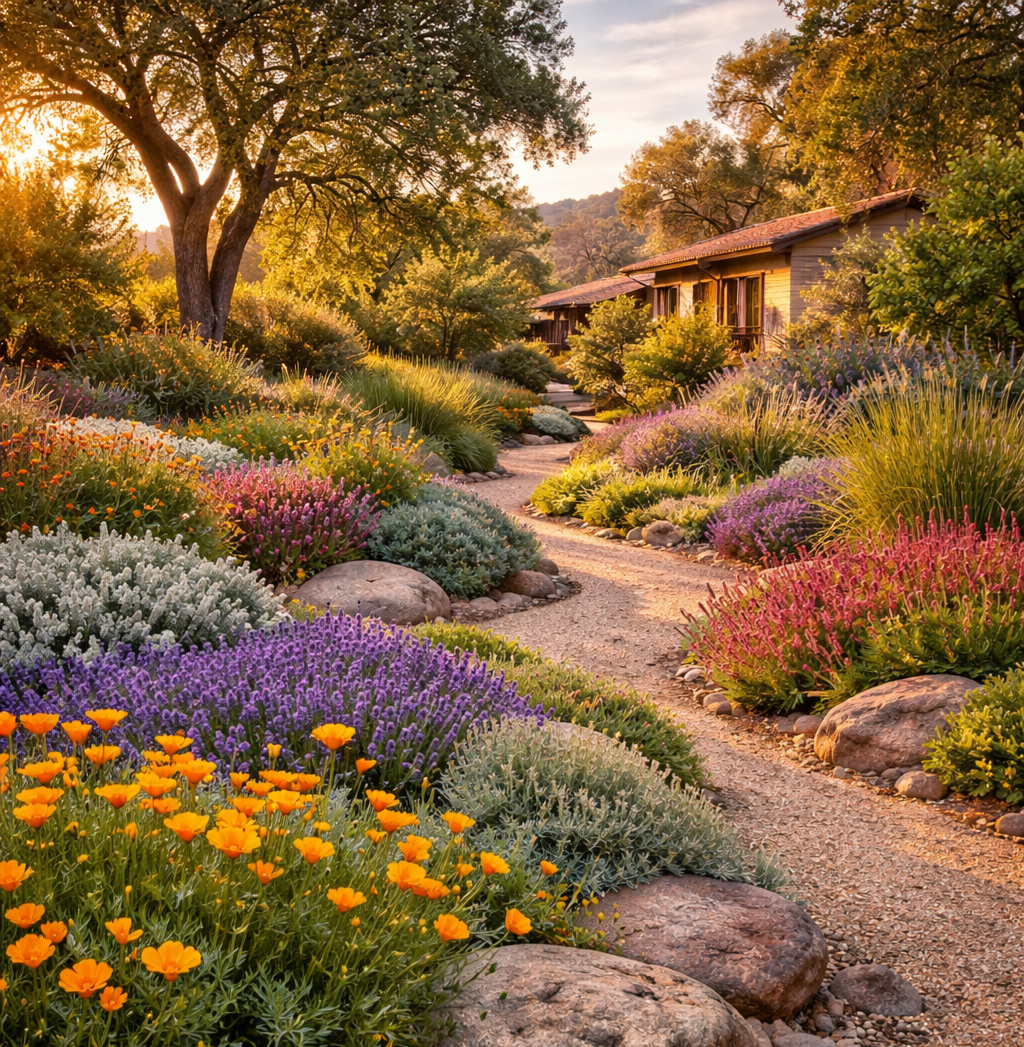
Layering shrubs and groundcovers brings movement, seasonal color, and ecological value to your design.
Top performers include:
Ceanothus (Wild Lilac) – Deep blue blooms and excellent drought tolerance
California Poppy (Eschscholzia californica) – Iconic golden color, reseeds naturally
Toyon (Heteromeles arbutifolia) – Evergreen structure with bright red berries
Matilija Poppy (Romneya coulteri) – Massive white blooms with dramatic presence
California Fuchsia (Zauschneria) – Late-season color that attracts pollinators
Yarrow (Achillea) – Soft texture and excellent for low-water planting
These plants are ideal for hillside stabilization, pollinator gardens, and low-maintenance designs.
Low-Water & Fire-Wise Planting Strategies
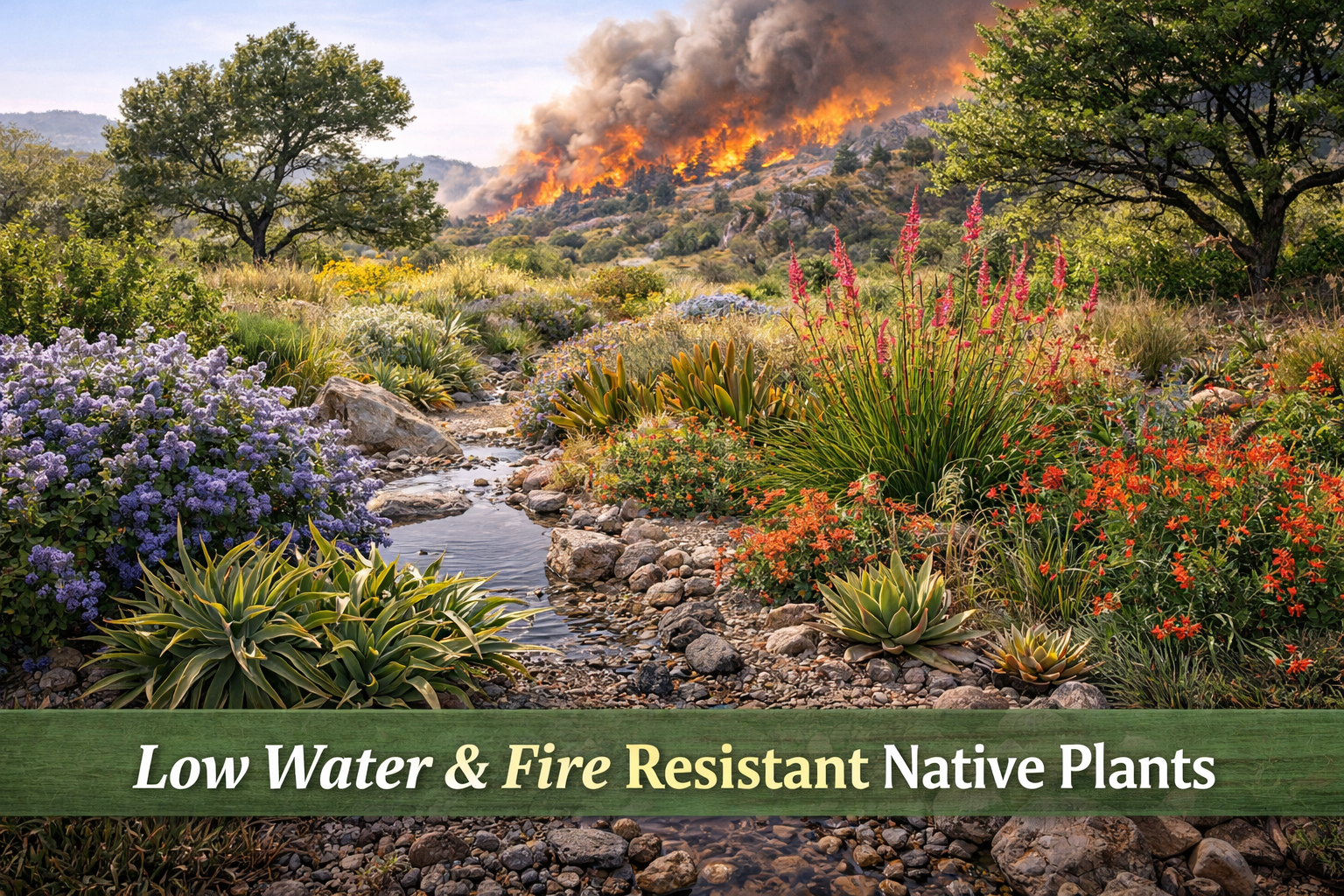
One of the biggest advantages of using native and adapted plants is their role in fire-wise landscaping—especially important in Placer County.
Plants like:
Sage (Salvia species)
Penstemon
Monkey Flower (Mimulus)
Currant (Ribes)
Elderberry (Sambucus)
…are considered low fuel volume and slow burning, making them excellent choices for defensible space planning .
Design Tip:
Spacing, pruning, and plant grouping matter just as much as plant selection. Even fire-wise plants can become hazardous if overgrown.
Plants for Wet Areas & Seasonal Drainage
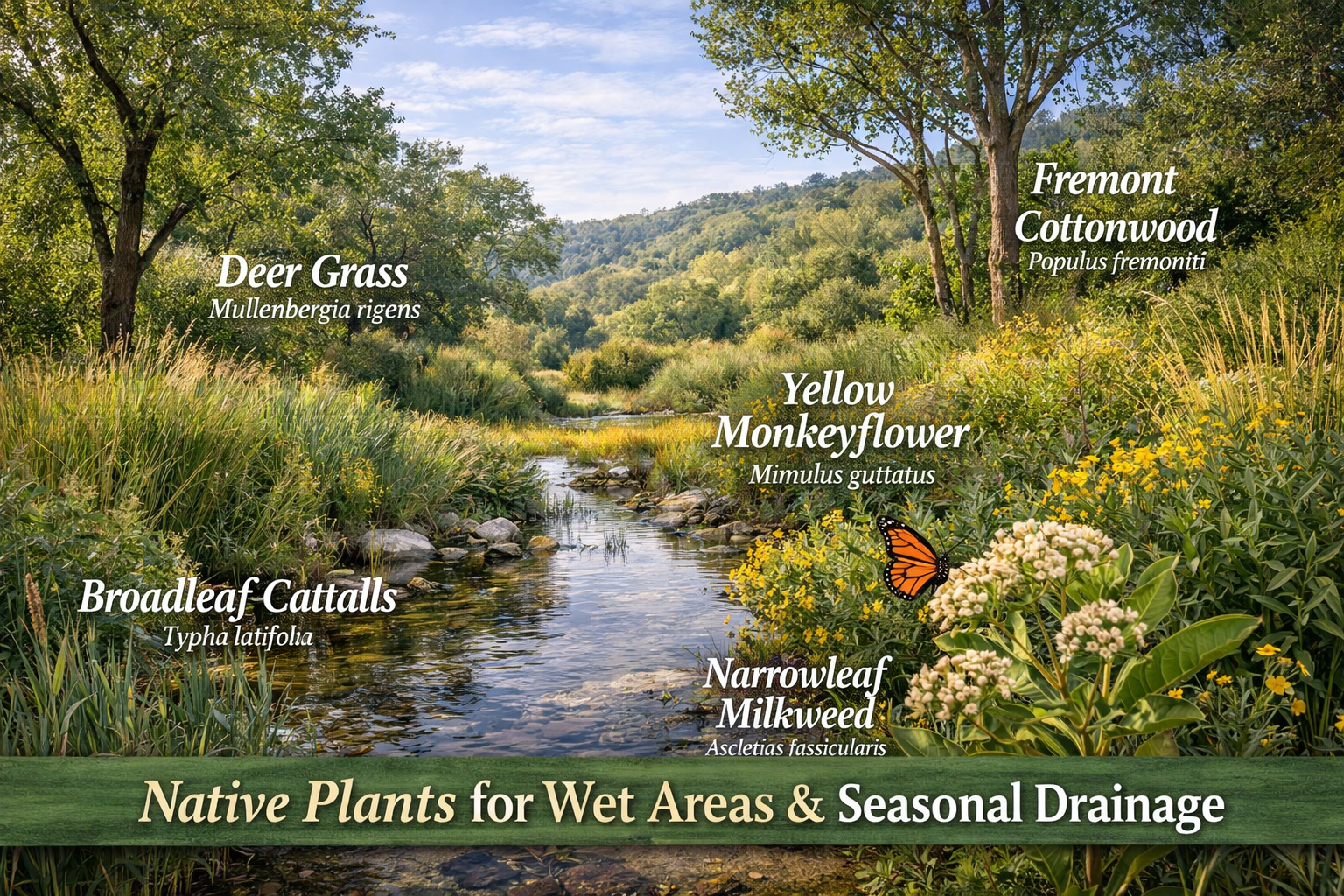
If your property includes a swale, seasonal creek, or low-lying area, these plants thrive where others struggle.
Consider incorporating:
Narrow-Leaf Milkweed (Asclepias fascicularis) – Essential for monarch butterflies
Deer Grass (Muhlenbergia rigens) – Architectural and drought-tolerant once established
Blue Elderberry (Sambucus caerulea) – Wildlife-friendly and highly adaptable
Fremont Cottonwood (Populus fremontii) – Ideal for riparian zones
Rushes (Juncus species) – Perfect for drainage areas and bioswales
These species help manage water naturally while enhancing biodiversity.
Designing with Purpose
At Loom + Leaf Outdoor, we believe great landscapes do more than look good—they function in harmony with the environment.
Using regionally appropriate plants:
Reduces water usage
Supports pollinators and wildlife
Lowers long-term maintenance
Creates a sense of place that can’t be replicated
Whether you’re designing a hillside garden, a fire-wise landscape, or a peaceful outdoor retreat, these plants provide a strong, resilient foundation.
📅 Start Your Landscape Transformation
Ready to design a landscape that thrives naturally in Northern California?
