Why We're Replacing Bark Mulch With Living Groundcovers in California Landscapes
If you've lived in Placer County for any length of time, you've seen it happen. A beautiful landscape is installed with fresh bark mulch, it looks great for a season or two, and then summer arrives.
The mulch dries out.
Weeds move in.
The color fades.
And during wildfire season, many homeowners begin wondering whether all that combustible material surrounding their home is really the best choice.
At Loom + Leaf Outdoor, we're increasingly recommending living groundcovers as an alternative to large areas of bark mulch—especially in foothill communities such as Auburn, Newcastle, Loomis, Penryn, and rural Roseville.
The Problem With Bark Mulch
Bark mulch has benefits. It suppresses weeds, conserves moisture, and improves soil health as it breaks down.
But bark is still fuel.
California fire agencies consistently emphasize that the area closest to your home should contain as little combustible material as possible. In the first few feet around structures, non-combustible materials such as gravel, stone, concrete, and pavers are often the safest choice. Even beyond that zone, dried organic mulch can contribute to ember ignition during wildfire events.
The challenge is balancing fire safety with aesthetics.
Most homeowners don't want a yard covered entirely in gravel.
That's where thoughtfully selected groundcovers can help.
What Makes a Groundcover More Fire-Resistant?
No plant is fireproof.
That's an important distinction. Every plant will burn under the right conditions. However, some plants resist ignition better than others because they retain moisture, grow low to the ground, and contain less volatile oils and resins.
Generally, the best fire-conscious groundcovers:
Stay relatively low and dense
Retain moisture through summer
Produce minimal dry debris
Require limited pruning
Help shade soil and reduce erosion
Are maintained regularly
A neglected "fire-resistant" planting can become just as hazardous as any other landscape.
Groundcovers We Like for Northern California
Creeping Thyme
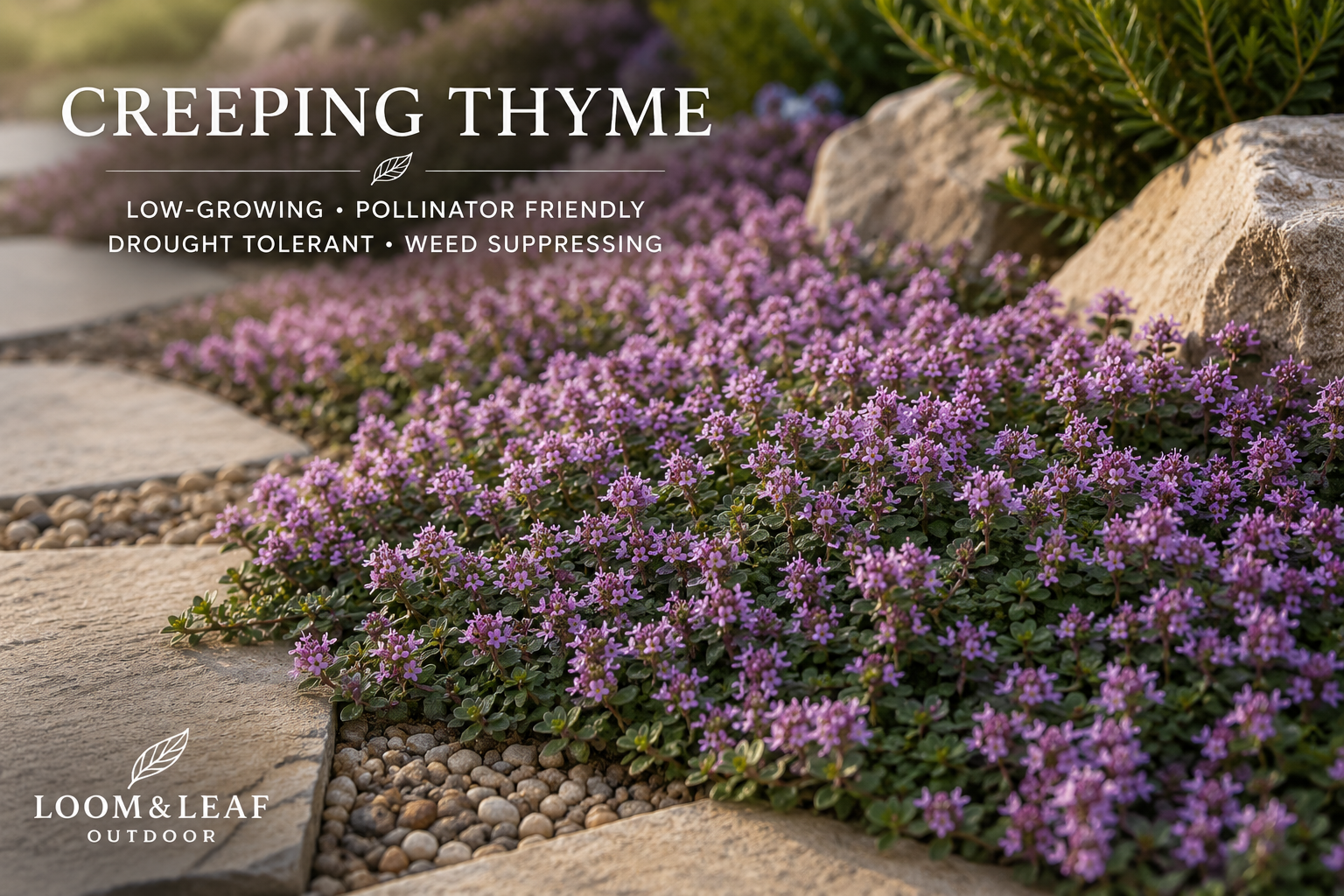
Creeping thyme creates a dense carpet of foliage and flowers that attracts pollinators while suppressing weeds. It's drought tolerant once established and works beautifully between stepping stones and along pathways.
Kurapia
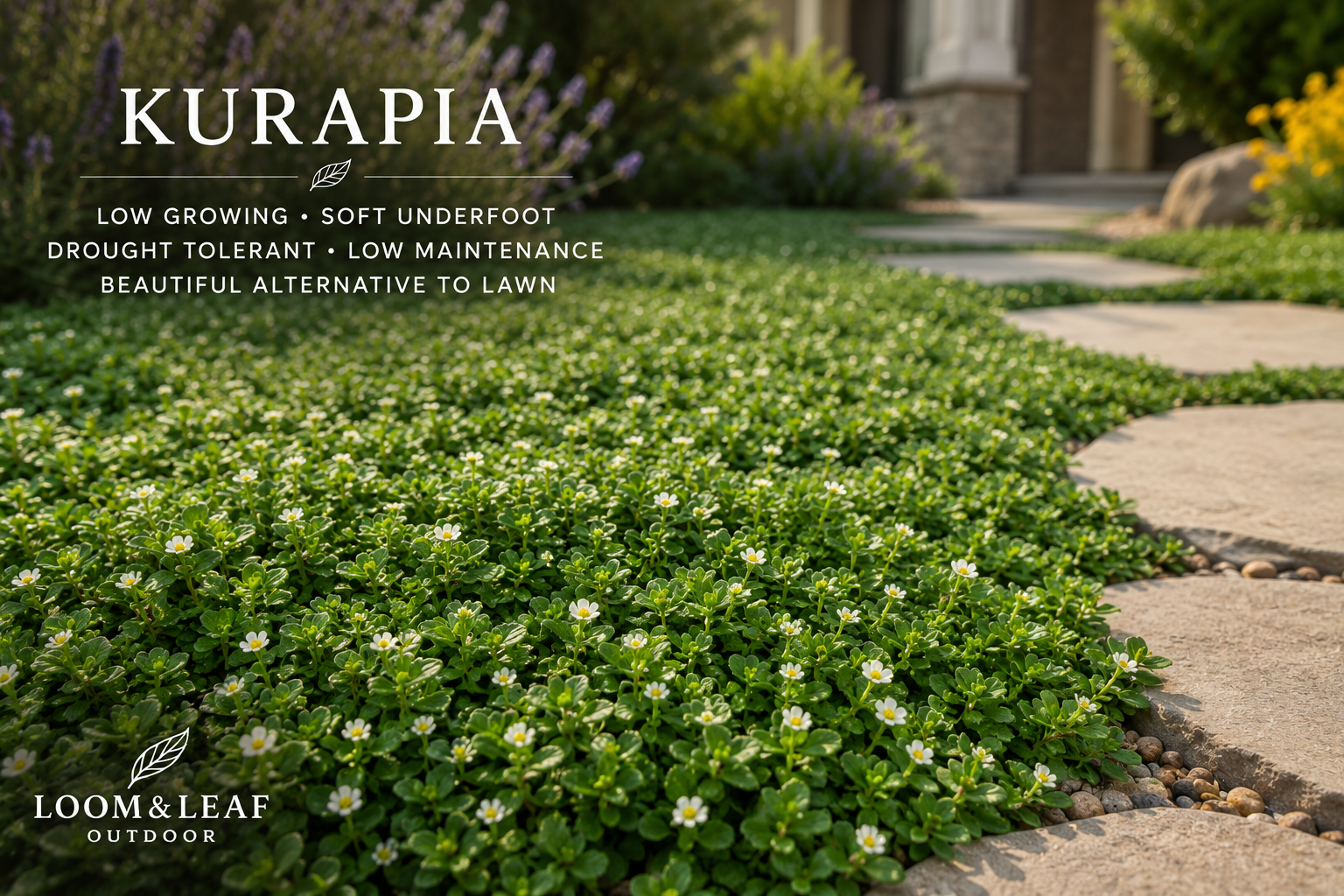
One of our favorite lawn alternatives. Kurapia stays low, requires significantly less water than turf, and creates a dense green surface that limits weed growth.
Dymondia
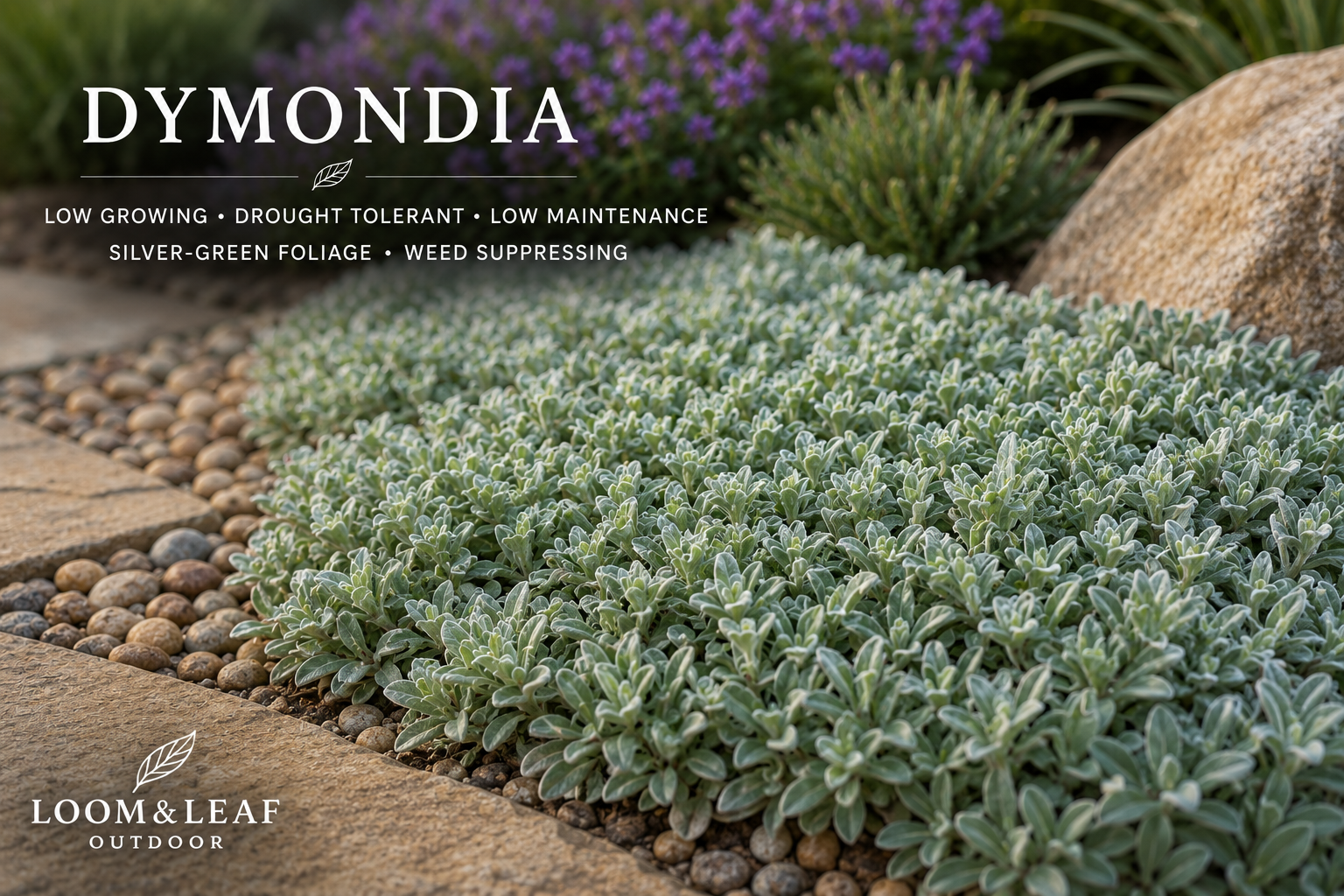
This silver-green groundcover thrives in sunny locations and creates an attractive, low-growing carpet. Its compact growth habit helps reduce exposed soil while requiring very little maintenance.
Ornamental Strawberry
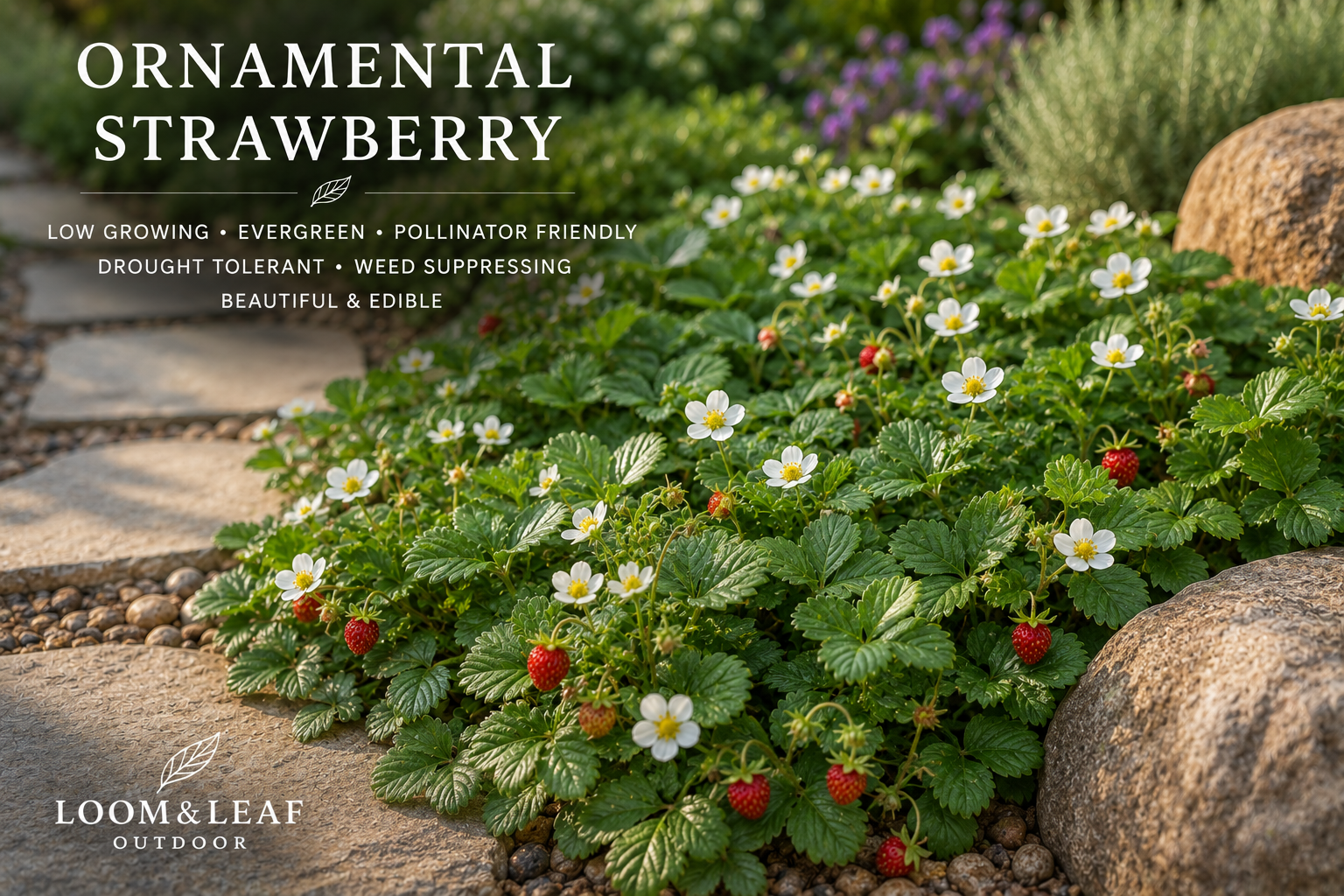
Ornamental strawberry has long been recognized as a useful groundcover option in fire-conscious landscapes because of its low-growing habit and attractive appearance.
California Native Groundcovers
Several native options—including low-growing manzanita selections and coyote brush cultivars—can provide habitat value, erosion control, and year-round coverage when properly maintained.
Groundcovers Do More Than Improve Fire Resilience
One of the biggest advantages of living groundcovers is that they continue improving your landscape year after year.
Unlike mulch, which needs periodic replenishment, established groundcovers:
Reduce erosion on slopes
Improve soil structure
Lower weed pressure
Moderate soil temperatures
Provide habitat for pollinators
Create a finished, cohesive appearance
In many cases, homeowners ultimately spend less on replacement mulch and maintenance.
The Best Approach: Use Both
The reality is that great landscape design rarely relies on a single material.
The most resilient California landscapes often combine:
Gravel and hardscape near structures
Living groundcovers throughout planting beds
Strategic mulch where appropriate
Fire-wise shrubs and perennials
Proper plant spacing and maintenance
Wildfire resilience comes from design, maintenance, and plant selection working together—not from any one product.
Thinking About Replacing Bark Mulch?
If you're tired of constantly refreshing mulch or want to create a more fire-conscious landscape, living groundcovers may be worth considering.
At Loom + Leaf Outdoor, we design landscapes specifically for Placer County's climate—balancing beauty, water efficiency, habitat value, and wildfire resilience.
A properly designed groundcover can give you the finished look of mulch while creating a landscape that's more sustainable, easier to maintain, and better suited for California living.
To schedule a landscape consultation, visit www.loomleafoutdoor.com/booknow
