Why the Best Landscapes Don’t Try to Control Nature
Modern landscape design often begins with control: flattening, forcing, correcting.
But across human history, landscapes were shaped differently — with humility, restraint, and participation.
In Sacred Nature, historian Karen Armstrong explains that ancient cultures did not see nature as raw material. They saw it as relationship.
Mountains, forests, and water were not inert backdrops — they were forces that commanded respect. Design, therefore, was an act of listening before shaping.
At Loom + Leaf, this principle still guides our work.
Rather than imposing a design onto land, we begin by observing:
How water naturally moves
Where shade already wants to exist
What plants thrive without force
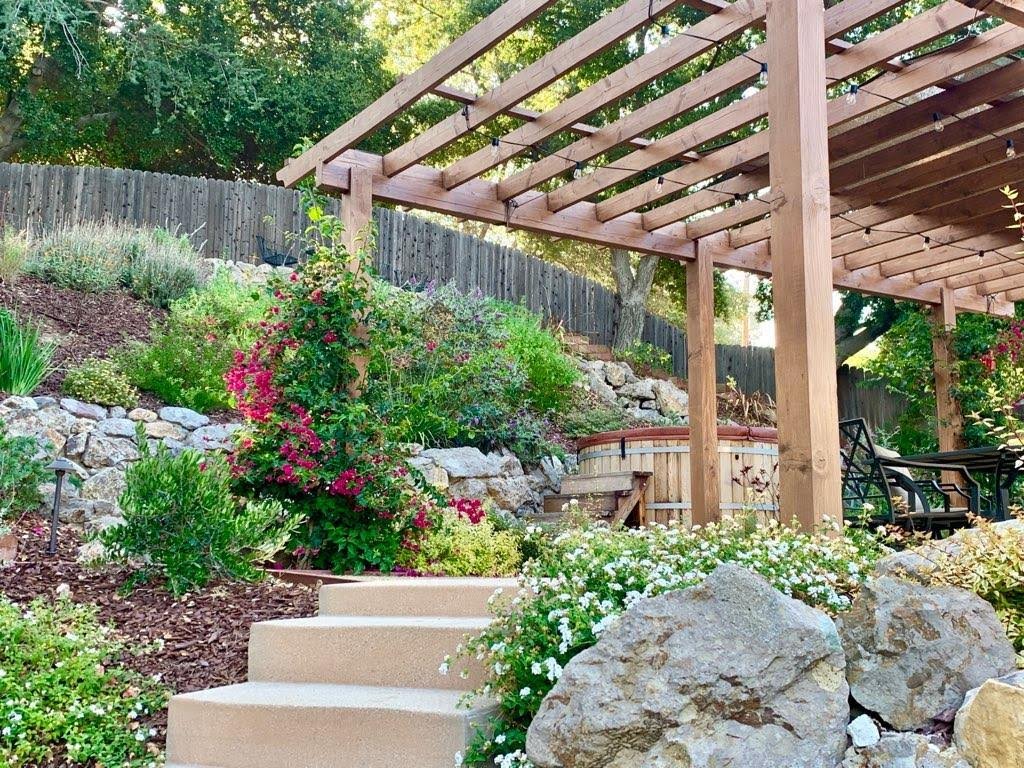
The result is not a landscape that looks controlled — but one that feels settled.
The most enduring outdoor spaces don’t dominate nature.
They participate in it.
Source
Armstrong, Karen. Sacred Nature: Restoring Our Ancient Bond with the Natural World. Knopf, 2022.
Ready to Transform Your Outdoor Space?
At Loom & Leaf Outdoor, we specialize in creating landscapes that feel natural, beautiful, and functional. From container designs to full outdoor transformations, we help homeowners bring their outdoor spaces to life.
📞 Call or text: (530) 446-4593
🌿 Follow us: Loom & Leaf Outdoor
Let’s design something beautiful together.
📅 Start Your Landscape Transformation
Ready to design a landscape that thrives naturally in Northern California?
